
War and Peace in Gaza: Navigating the Path Toward a Hopeful Future

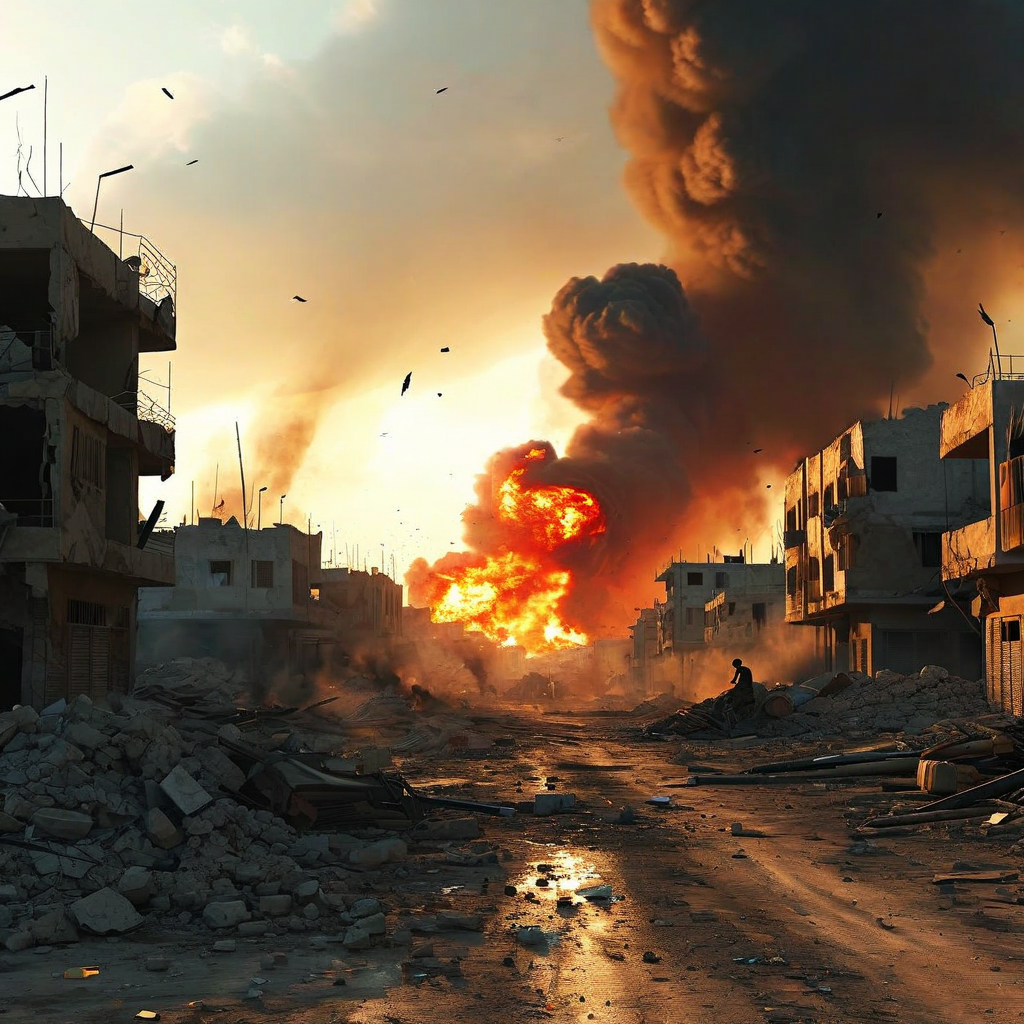
War and Peace: What Lies Ahead for Gaza?
The cycle of war and peace has long shaped the history of Gaza, a region marked by deep-rooted conflict and enduring hope. Each flare-up brings devastation — loss of lives, destruction of homes, and trauma that lingers for generations. But amid the darkness, the desire for peace remains a powerful undercurrent.
Gaza’s future is uncertain, caught between competing political forces, regional dynamics, and international interests. Without a meaningful ceasefire and genuine dialogue, the humanitarian crisis is likely to worsen. Civilians, especially children, bear the brunt of the conflict, facing shortages of essential supplies like food, water, and medicine.
Yet, peace is not impossible. It requires sustained commitment from all stakeholders — local leadership willing to negotiate in good faith, neighboring countries fostering stability, and the global community supporting reconstruction and reconciliation efforts. Long-term peace in Gaza hinges on addressing fundamental issues such as blockades, economic hardship, and political disenfranchisement.
Ultimately, the people of Gaza deserve a future free from violence and fear — one where they can rebuild their lives with dignity and hope. War may be the immediate reality today, but peace must remain the ultimate goal. Only through empathy, understanding, and persistent efforts toward conflict resolution can the cycle of destruction be broken, paving the way for a more secure and prosperous Gaza.
In the heart of conflict lies the potential for peace, if only the world chooses to seize it.